
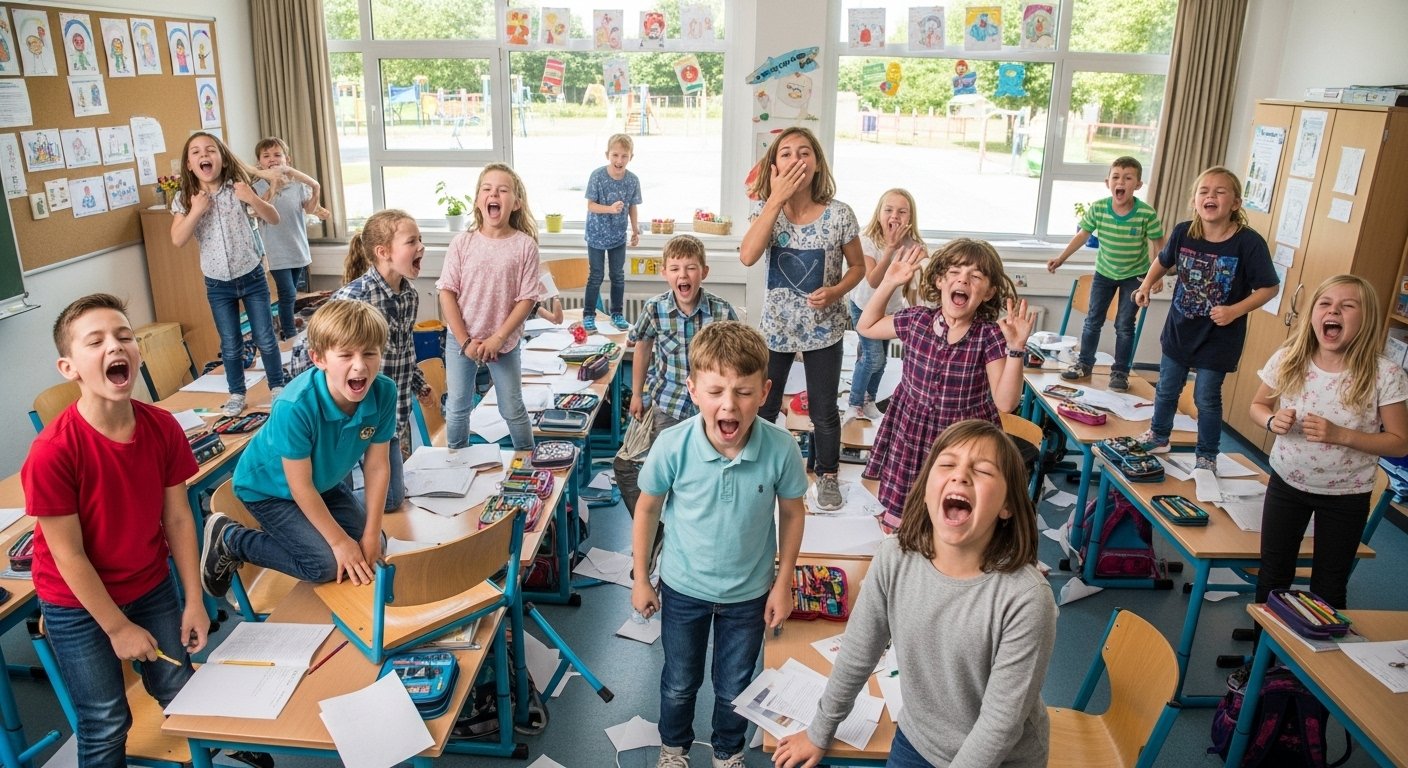
Classrooms have always reflected popular youth culture, from catchy phrases to viral internet jokes. In recent years, one unusual trend has taken over schools across the United States and beyond: kids hollering “6-7” in classrooms.
What may sound confusing to adults has become a popular Gen Alpha meme and social bonding trend among students. Teachers, parents, and schools are now trying to understand where it came from, why kids keep repeating it, and how it affects classroom learning.
This article explores the origins of the “6-7” trend, its connection to internet culture, its impact on education, and practical ways teachers and parents can respond.
What Does “6-7” Mean?
Interestingly, the phrase “6-7” does not have any deep or logical meaning. That randomness is actually part of why it became popular.
The trend usually involves students:
- Shouting “six-seven!” loudly
- Making a seesaw-style hand motion
- Repeating it whenever someone mentions the numbers six or seven
The humor comes from confusion and absurdity, which is a major part of modern Gen Alpha internet culture.
Many students see it as an inside joke that helps them connect with friends and classmates.
The Origin of the “6-7” Trend
The trend reportedly started gaining attention in 2024 after a leaked song called “Doot Doot (6 7)” by Philadelphia rapper Skrilla became popular online.
TikTok users then turned the phrase into short memes and reaction videos. Another factor that boosted the trend was NBA player LaMelo Ball, who is famously listed as 6’7” tall. Internet users combined these references into viral jokes that quickly spread through schools.
Soon, students across classrooms began repeating the phrase for fun, even though it had no real meaning.
Understanding “Brain Rot” Humor
The “6-7” trend is often described as part of “brain rot humor.”
This term refers to:
- Intentionally meaningless jokes
- Random internet phrases
- High-speed meme culture
- Humor designed to confuse adults
Gen Alpha and Gen Z often enjoy this style of humor because it feels unpredictable and creates a sense of shared identity online.
Similar viral trends in the past include:
- “Skibidi” memes
- Random TikTok sound effects
- Nonsensical catchphrases
To students, these trends are entertaining and social. To adults, they may appear disruptive or confusing.
Why Are Kids Hollering “6-7” in Classrooms?
There are several reasons why students repeat the phrase in school settings.
1. Social Bonding
Students often use trends to feel connected with their peers. Saying “6-7” can act like an inside joke that creates group identity.
2. Attention and Humor
Children naturally enjoy making classmates laugh. Random phrases often get strong reactions, which encourages repeated behavior.
3. Viral Internet Influence
TikTok and social media trends spread extremely fast. Students bring online culture into classrooms almost immediately.
4. Energy and Excitement
Young students often express excitement loudly, especially in group environments where others are participating too.
5. Rebellion Against Structure
Sometimes trends become popular simply because adults dislike them. The more teachers react strongly, the funnier students may find it.
Impact on Learning and Classroom Environment
While many students see the trend as harmless fun, constant interruptions can negatively affect classroom learning.
Disrupted Focus
Frequent shouting makes it difficult for students to concentrate during lessons.
Reduced Classroom Order
Repeated interruptions can create a noisy and distracting environment.
Stress for Teachers
Managing constant disruptions can lead to frustration and burnout among educators.
Peer Distraction
Some students may struggle academically when classroom attention keeps shifting away from instruction.
Communication Problems
Loud joking can sometimes interfere with respectful student interaction and participation.
Although the trend may appear silly, repeated classroom disruptions can have real educational consequences.
How Teachers Can Handle the “6-7” Trend
Teachers do not necessarily need harsh punishments to manage these situations effectively.
1. Stay Calm
Overreacting may unintentionally encourage students to continue the behavior for attention.
2. Set Clear Expectations
Establish classroom rules about respectful participation and appropriate timing for humor.
3. Redirect Student Energy
Some teachers successfully turn trends into harmless classroom activities or quick educational moments.
4. Use Positive Reinforcement
Praise students who stay focused and participate respectfully.
5. Build Relationships
Understanding why students enjoy these trends can help teachers respond more effectively and reduce tension.
Tips for Parents
Parents also play an important role in guiding children’s classroom behavior.
Encourage Respectful Communication
Teach children the difference between having fun and disrupting learning.
Talk About Internet Trends
Discuss how online jokes can affect real-life environments like classrooms.
Model Calm Behavior
Children often copy communication styles they observe at home.
Work With Teachers
Maintaining open communication with educators helps create consistency between school and home expectations.
Importance of Teacher-Parent Communication
Strong communication between teachers and parents is essential when addressing disruptive trends.
Teachers may notice classroom behavior patterns that parents do not see at home. Likewise, parents may understand emotional or social factors influencing their child’s actions.
By working together:
- Expectations become clearer
- Students receive consistent guidance
- Problems can be solved earlier
This partnership helps create a more supportive learning environment for everyone involved.
6-7 in Popular Culture
The trend has even appeared in mainstream entertainment and online discussions.
Shows and internet communities have referenced the phrase as part of modern youth meme culture. Many people now describe it as a “Gen Alpha rite of passage” designed specifically to confuse adults.
Like earlier internet trends, “6-7” may eventually fade away, but it reflects how deeply online culture now influences classroom behavior.
Final Thoughts
The “6-7” classroom trend may seem random and meaningless, but it highlights important changes in youth culture, internet humor, and classroom dynamics.
For students, it represents social bonding and entertainment. For teachers, it can become a challenge when it interrupts learning. Understanding the reasons behind these behaviors allows schools and families to respond more effectively instead of reacting with frustration alone.
Creating respectful classrooms does not mean eliminating fun or creativity. Instead, it means helping students understand when humor is appropriate while maintaining an environment where everyone can learn successfully.
As internet culture continues evolving, schools will likely keep encountering new viral trends. The key is balancing student expression with respectful and productive learning spaces.
FAQs
What does “6-7” mean in schools?
The phrase has no specific meaning. It is mainly a viral Gen Alpha meme used for humor and social bonding.
Where did the “6-7” trend start?
The trend originated from the leaked song “Doot Doot (6 7)” by rapper Skrilla and later spread through TikTok memes.
Why do students shout “6-7” in class?
Students often repeat it because it is funny, viral, and helps them connect with friends.
Is the “6-7” trend harmful?
The phrase itself is harmless, but repeated interruptions can disrupt classroom learning and concentration.
How can teachers manage the trend?
Teachers can set clear expectations, stay calm, redirect energy positively, and encourage respectful participation.