

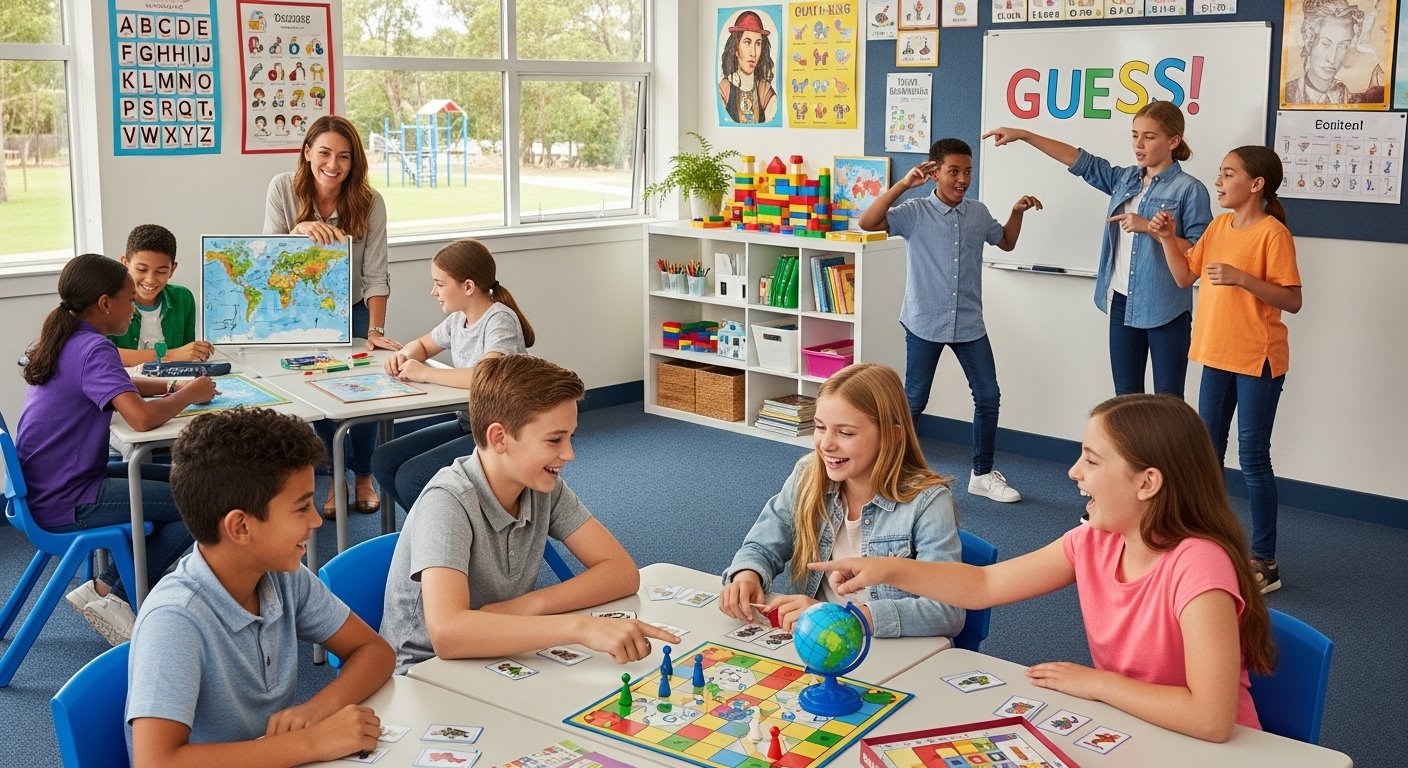
Students learn best when they are fully engaged. Adding games to your lesson plans transforms a quiet room into a dynamic learning space. Play is not just a break from academics; it is a powerful tool to reinforce concepts, build social skills, and make education deeply enjoyable. As educators, we can use games to spark curiosity and bring complex subjects to life.
Why Games Matter in the Classroom
Games naturally lower stress. When students feel relaxed and happy, they absorb information faster and retain it longer. Furthermore, group activities foster collaboration. They teach students how to communicate, solve problems, and work as a unified team. By blending play with curriculum, you create an environment where making mistakes feels safe and learning feels like an adventure.
Great Games to Try
You can weave different types of games into your schedule depending on your goals for the day.
Icebreakers
Start a new semester or a Monday morning with games that build community. A quick round of “Find Someone Who” gets students moving around the room and learning interesting facts about their peers. These simple activities break down social barriers and help quiet students find their voice.
Subject-Specific Games
Turn a standard review session into a friendly competition. Create a Jeopardy-style presentation for historical events, or use vocabulary bingo to help students practice a foreign language. When you attach facts to a fun experience, students recall the information much more easily during exams.
Team-Building Activities
Group challenges require serious critical thinking. Set up a classroom “escape room” where students must solve math puzzles to unlock a box. Alternatively, challenge them to build the tallest structure using only dry spaghetti and marshmallows. These activities teach students how to listen to different perspectives and compromise to reach a shared goal.
Tips for Effective Implementation
To get the most out of classroom games, keep these practical tips in mind:
- Align with Educational Goals: Make sure the game serves the lesson. The fun must support your academic objectives, not distract from them. Choose games that directly reinforce the skills you are currently teaching.
- Prioritize Inclusivity: Modify game mechanics so every student can participate. Consider different learning styles, physical abilities, and language proficiency levels. Offer multiple roles within a team so everyone can contribute their unique strengths.
- Set Clear Boundaries: Explain the rules and expectations clearly before the game begins. Establish a signal, like a bell or a clap, to bring the room back to order. A well-managed game keeps the energy positive and prevents unnecessary chaos.
Incorporating games into your routine requires a bit of extra planning, but the payoff is immense. You will notice better focus, stronger peer relationships, and a classroom full of students eager to participate. Try introducing one short game into your lesson plan this week and watch the energy in your room transform.