

Sinus infections, often referred to as sinusitis, can be a real nuisance. They bring along discomfort and pesky symptoms that make everyday activities feel like a chore. But many people wonder: are sinus infections contagious? With so much misinformation out there, it’s important to get the facts straight. Understanding how these infections spread—or don’t—can help you protect yourself and those around you. Let’s dive into the world of sinus infections and uncover the truth behind their contagion potential.
What are Sinus Infections?
Sinus infections occur when the sinus cavities become inflamed and swollen. This inflammation can hinder normal drainage, leading to a buildup of mucus.
There are several types of sinusitis: acute, subacute, chronic, and recurrent. Acute sinusitis typically lasts for a short period and is often caused by viral infections like the common cold. Chronic sinusitis persists longer than 12 weeks and may result from allergies or structural issues in the nasal passages.
Symptoms commonly associated with these infections include facial pain, nasal congestion, headache, fever, and fatigue. People might also experience a reduced sense of smell or taste.
Understanding what causes this condition helps in both prevention and treatment strategies. It’s essential to recognize that while they can be unpleasant, most sinus infections resolve on their own without serious complications.
Symptoms of Sinus Infections
Sinus infections, or sinusitis, can manifest through a variety of symptoms that may disrupt your daily life. One common sign is nasal congestion. It often feels like you’re breathing through a thick wall.
Facial pain or pressure is another frequent complaint. You might notice discomfort around your cheeks, forehead, and even behind the eyes.
Postnasal drip can also become bothersome. This occurs when mucus drips down the back of your throat, leading to irritation and cough.
Additionally, headaches are not uncommon during a sinus infection. They can range from mild to severe and may worsen with movement or bending over.
Fever could accompany these symptoms as well—though it’s typically low-grade in adults. Fatigue often tags along too; feeling worn out is part of the package deal with this condition.
Keep an eye on these signs if you suspect a sinus infection brewing within you.
Causes of Sinus Infections
Sinus infections, or sinusitis, can be triggered by a variety of factors. The most common cause is a viral infection, often stemming from the common cold. When viruses invade your nasal passages, they can lead to inflammation and blockages.
Bacterial infections are another culprit. If a virus disrupts normal drainage in the sinuses, bacteria may take advantage of the situation and multiply. This secondary infection can worsen symptoms considerably.
Allergies also play a significant role. Pollen, dust mites, and pet dander can prompt an immune response that leads to swelling in the sinus cavities.
Additionally, environmental irritants like smoke or pollution may contribute to sinus issues as well. Structural problems within the sinuses themselves—such as polyps or deviated septums—can further complicate matters by obstructing airflow and drainage pathways.
Can Sinus Infections be Contagious?
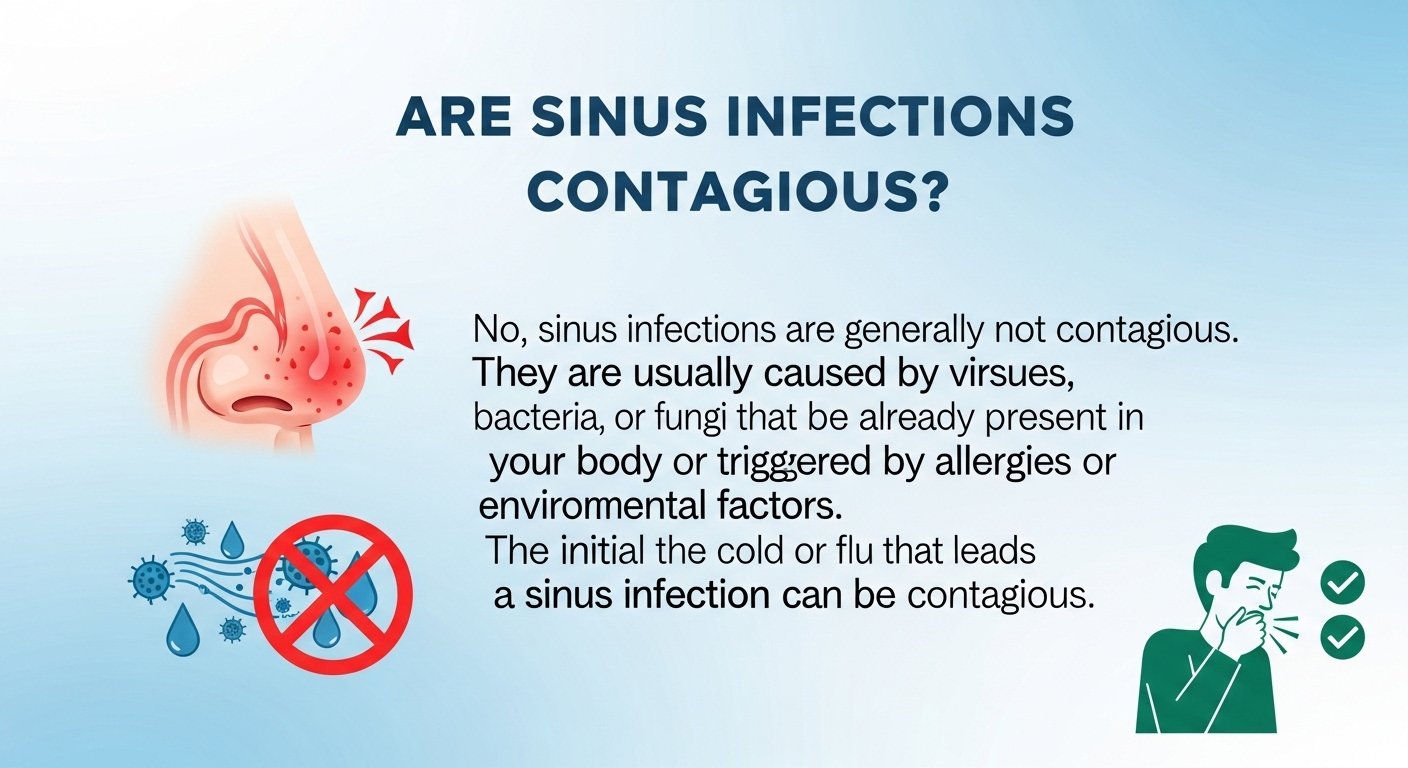
Sinus infections, or sinusitis, often leave people wondering about their contagiousness. The good news is that sinus infections themselves are not directly contagious. They typically arise from a viral infection, like the common cold.
However, when someone has a cold that leads to sinusitis, they can spread the virus causing the initial illness. This means you might catch a cold and later develop your own sinus infection as a result.
It’s essential to practice good hygiene during this time. Washing hands regularly and avoiding close contact with those who are sick can help minimize your risk of catching any underlying viruses.
While you won’t catch someone’s sinus infection directly, staying vigilant against respiratory illnesses will go a long way in keeping you healthy.
How to Prevent the Spread of Sinus Infections
Preventing the spread of sinus infections starts with good hygiene practices. Wash your hands regularly, especially before meals and after coughing or sneezing. Use soap and water for at least 20 seconds.
Cover your mouth and nose when you sneeze or cough. A tissue is great, but if one isn’t available, use your elbow to minimize germ transmission.
Avoid close contact with infected individuals whenever possible. If someone in your household has a sinus infection, try to maintain some distance until they recover.
Keep shared surfaces clean by disinfecting doorknobs, light switches, and countertops frequently. This reduces the chance of spreading germs that can lead to respiratory infections.
Stay hydrated and maintain a healthy diet. This supports overall immune function, making it easier for your body to fend off infections before they take hold.
Treatment for Contagious Sinus Infections
When dealing with contagious sinus infections, treatment typically focuses on alleviating symptoms and speeding up recovery. Over-the-counter pain relievers like ibuprofen or acetaminophen can help reduce discomfort and fever.
Nasal decongestants are effective for relieving blockage. They allow easier breathing by shrinking swollen nasal passages. Saline sprays can also provide relief by keeping the nasal membranes moist.
In some cases, antibiotics may be prescribed if a bacterial infection is suspected. However, they won’t work against viral infections, which are often the culprits behind sinusitis.
Additionally, staying hydrated is crucial. Drinking plenty of fluids helps thin mucus and promotes drainage. Rest is equally important; giving your body time to heal speeds up recovery.
For persistent issues, consulting a healthcare professional might be necessary to explore further options or treatments tailored specifically for you.
Conclusion
Sinus infections, also known as sinusitis, can be uncomfortable and frustrating. Understanding what they are, their symptoms, and how they develop is key to managing your health effectively.
While many people might worry about passing them on to others, it’s important to note that sinus infections themselves are not contagious. However, the viruses or bacteria that cause respiratory illnesses leading to sinus issues can spread from person to person.
To prevent the spread of these pathogens, practicing good hygiene is essential. Regular handwashing and avoiding close contact with those who have cold-like symptoms can help reduce your risk of catching a virus that could lead to a sinus infection.
If you find yourself suffering from a sinus infection caused by a contagion or bacterial infection after exposure to someone else who’s sick, timely treatment is critical. Options may include medications like decongestants or antibiotics if necessary.
Understanding the nature of sinus infections empowers you in taking appropriate steps for prevention and treatment while keeping yourself healthy amidst common colds going around during different seasons.